
Hair Follicle Stimulation Without Surgery or Injections: What It Really Means
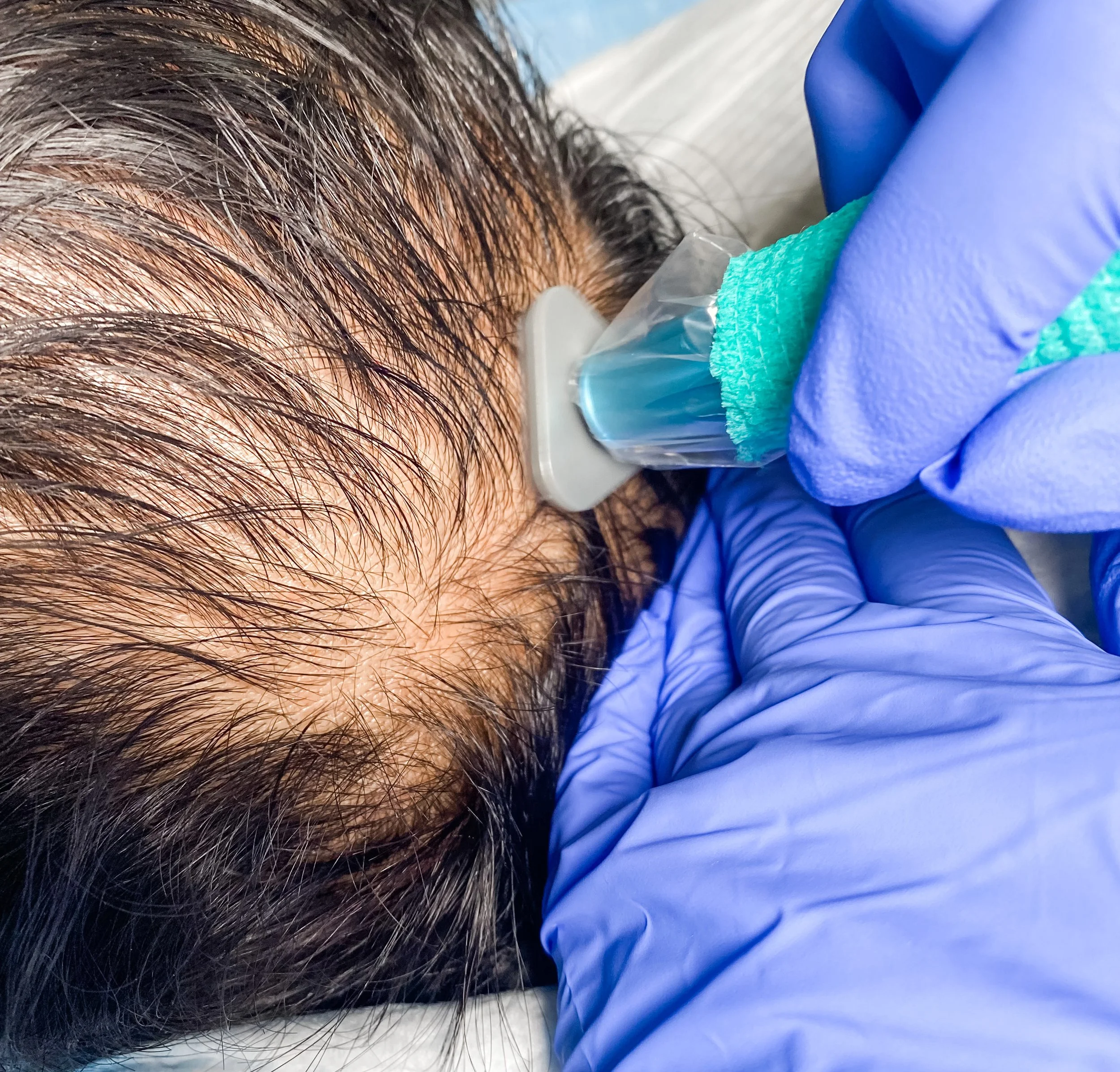
Hair follicle stimulation is often misunderstood. Many people associate the phrase with aggressive treatments, injections, or unrealistic promises of instant regrowth.
In reality, non-invasive hair follicle stimulation is about something far more foundational: improving the scalp environment so follicles can function at their best.
Hair growth is not something that can be forced. It is a biological process that depends on oxygen, circulation, hormone signaling, tissue mobility, and inflammation balance. When those conditions are supported, follicles are more likely to behave optimally.
Understanding what follicle stimulation truly involves—and what it does not promise—creates realistic expectations and better long-term outcomes.
Understanding the Hair Growth Cycle
Each hair follicle moves through three primary phases:
Anagen (Growth Phase) – Active growth
Catagen (Transition Phase) – Brief transitional stage
Telogen (Resting/Shedding Phase) – Hair releases and resets
At any given time, thousands of follicles are cycling independently.
Hair thinning may occur when:
Growth phases shorten
Resting phases lengthen
Follicles miniaturize
Circulation becomes impaired
Inflammation interferes with signaling
Non-invasive follicle stimulation aims to support healthier cycling—not override biology.
Why Follicles Become Less Active
Hair follicles are sensitive structures. Several internal and external factors can influence their behavior. Factors such as:
Reduced Scalp Circulation
Follicles require steady oxygen and nutrient delivery. Chronic stress, muscle tension, poor posture, and inflammation may restrict microcirculation.
Hormonal Fluctuations
Changes in estrogen, testosterone sensitivity, thyroid function, or stress hormones may influence growth cycles.
Inflammatory Stress
Low-grade inflammation in scalp tissue can interfere with follicle efficiency.
Connective Tissue Tightness
The scalp contains fascia (connective tissue). If this tissue becomes rigid or congested, it may reduce nutrient exchange around follicles.
Lymphatic Congestion
The scalp has lymphatic drainage pathways. When fluid stagnates, tissue may become less responsive.
Addressing these environmental factors often yields more sustainable results than targeting follicles in isolation.
What Non-Invasive Hair Follicle Stimulation Actually Does
Rather than injecting or surgically altering tissue, non-invasive follicle stimulation may help:
Increase scalp microcirculation
Improve oxygen delivery
Encourage tissue mobility
Reduce congestion
Support lymphatic flow
Promote healthier follicle signaling
This creates an environment more conducive to stronger hair behavior.
It does not:
Implant new follicles
Reverse advanced genetic loss
Guarantee regrowth
It supports existing follicle health.
The Role of Scalp Circulation
Hair follicles are metabolically active. Without adequate blood flow, they may:
Produce thinner strands
Shed prematurely
Remain in resting phases longer
Improving microcirculation enhances:
Oxygen supply
Nutrient transport
Waste removal
This allows follicles to function more efficiently within their natural cycle.
Why Gentle Stimulation Is More Effective Than Aggression
The scalp is highly vascular and sensitive. Overly aggressive stimulation can increase inflammation, which may worsen shedding.
Non-invasive approaches focus on:
Rhythmic, controlled stimulation
Low-inflammation techniques
Gradual tissue response
This protects follicle integrity while encouraging healthier behavior.
Follicle Miniaturization: What You Should Know
In some types of hair thinning, follicles shrink over time—a process called miniaturization. When follicles miniaturize:
Hair shafts become finer
Growth cycles shorten
Coverage appears reduced
Early intervention may help support healthier follicle function before miniaturization becomes advanced.
This is why timely scalp assessment is important.
The Importance of a Multi-Factor Approach
Hair health rarely improves from one intervention alone. Comprehensive support may include:
Scalp detox
Circulation therapy
Lymphatic drainage
Stress management
Nutritional support
Hormonal evaluation (if medically indicated)
A multi-layered strategy produces more stable outcomes.
What Results Typically Look Like
With consistent care, clients may notice:
Reduced excessive shedding
Improved hair texture
Stronger-feeling strands
Fuller visual appearance over time
Improvement is gradual and individualized.
Hair grows slowly. Most people need several months to observe measurable changes.
Who Is a Good Candidate for Non-Invasive Follicle Stimulation?
This approach may be appropriate for individuals who:
Are experiencing early to moderate thinning
Notice increased shedding
Want non-surgical options
Prefer no injections
Are committed to consistent care
It may be less effective in cases of advanced follicle loss where follicles are no longer viable.
Setting Healthy Expectations
It’s important to clarify what follicle stimulation can and cannot do.
It can:
Support scalp health
Improve circulation
Encourage stronger hair behavior
It cannot:
Promise full regrowth
Replace surgical hair restoration
Override genetic predisposition entirely
Honest conversations build trust and long-term satisfaction.
Hair Follicle Stimulation in Five Cities Area
If you’re seeking non-invasive hair follicle stimulation, treatments that prioritize scalp health, circulation, and tissue balance, we offer a supportive alternative to aggressive interventions.
These services fit active lifestyles and require no surgical downtime.
How Follicle Stimulation Fits Into Long-Term Hair Care
Hair health is cumulative.
Best results often come from:
Series-based treatments
Regular scalp maintenance
Lifestyle support
Periodic reassessment
Maintenance is not failure—it’s biology.
Final Thoughts
Hair follicle stimulation without surgery or injections is not about chasing unrealistic transformation.
It’s about restoring balance to the scalp environment, improving circulation, and supporting follicles so they can function as efficiently as possible.
When hair is treated as part of whole-body wellness rather than a cosmetic emergency, outcomes tend to be healthier—and more sustainable.
👉 Book a scalp and follicle consultation: 805-867-7298
👉 Pair hair support with scalp detox and lymphatic wellness therapies
Disclaimer: Individual results vary. Non-invasive hair follicle stimulation supports scalp health and follicle function but does not guarantee regrowth or replace medical treatment for hair loss conditions.