
Lymphatic Drainage Therapy: The Foundational System Most People Overlook
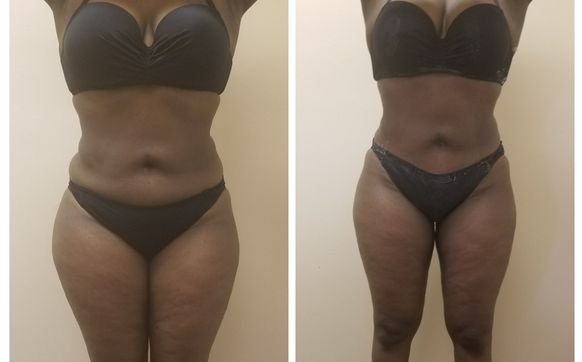
The lymphatic system is one of the most essential — and least understood — systems in the body.
It does not receive the same attention as the cardiovascular system, digestive system, or nervous system. Yet it plays a central role in:
Fluid regulation
Immune support
Inflammation control
Tissue repair
Waste removal
Unlike the heart, which pumps blood continuously, the lymphatic system has no central pump. It relies on muscle movement, breathing, and gentle external stimulation to function efficiently.
When lymphatic flow slows, the effects can be subtle at first — but increasingly visible over time.
What the Lymphatic System Actually Does
The lymphatic system is a network of vessels, nodes, and tissues that move a fluid called lymph.
Lymph contains:
Immune cells
Cellular waste
Excess proteins
Fluid from surrounding tissues
Its core responsibilities include:
1. Fluid Balance
Every day, plasma leaks from blood vessels into surrounding tissue. The lymphatic system returns excess fluid to circulation. Without this return system, swelling would be constant.
2. Immune Surveillance
Lymph nodes filter pathogens and activate immune responses.
3. Inflammation Regulation
Lymphatic movement helps clear inflammatory byproducts.
4. Tissue Recovery
After injury, exercise, or aesthetic procedures, the lymphatic system assists in clearing debris and reducing congestion.
What Happens When Lymphatic Flow Slows
When lymphatic flow becomes sluggish, individuals may experience:
Puffiness (face, abdomen, limbs)
Tissue heaviness
Swelling after travel
Slower recovery from exercise
Dull or congested skin
Increased cellulite appearance
Persistent inflammation
Sluggish flow does not always indicate disease — but it can affect both comfort and appearance.
Why Modern Lifestyles Impair Lymphatic Flow
Today’s habits often reduce natural lymphatic stimulation:
Sedentary work
Shallow breathing patterns
Chronic stress
Limited movement
Tight clothing
Repetitive posture
Because lymphatic vessels depend on movement and diaphragmatic breathing, reduced activity can slow fluid circulation.
How Lymphatic Drainage Therapy Works
Manual lymphatic drainage (MLD) our technology-assisted lymphatic drainage are non-invasive lymphatic therapies that use light, rhythmic, directional movements to:
Stimulate superficial lymphatic vessels
Encourage fluid movement toward drainage points
Reduce congestion
Improve tissue softness
The pressure is intentionally gentle. Lymphatic vessels sit just beneath the skin and respond best to controlled, subtle stimulation — not deep pressure.
The Nervous System Connection
Lymphatic drainage therapy also interacts with the autonomic nervous system.
Gentle rhythmic techniques often activate the parasympathetic response, promoting:
Relaxation
Reduced cortisol
Improved recovery
Enhanced tissue repair
Chronic stress elevates cortisol, which can contribute to fluid retention and inflammation. Supporting nervous system balance indirectly supports lymphatic flow.
Lymphatic Drainage and Aesthetic Treatments
Lymphatic therapy enhances outcomes for:
Body contouring
Skin tightening
Pre-surgical preparation
Post-surgical recovery
Scar remodeling
Cellulite refinement
Without efficient drainage, tissues may remain swollen or inflamed, masking aesthetic progress.
Improved fluid movement allows treatments to settle more effectively.
Who Benefits Most From Lymphatic Therapy?
Individuals prone to swelling
Frequent travelers
Desk workers
Postpartum clients
Those undergoing aesthetic treatments
Individuals experiencing chronic inflammation
It is especially valuable as part of maintenance care, not just crisis care.
What Results Typically Look Like
Clients often report:
Feeling lighter
Reduced puffiness
Improved comfort
Smoother skin appearance
Enhanced contour visibility
Results are temporary without maintenance — because fluid dynamics are ongoing.
Lymphatic Drainage Therapy in Five Cities Area
In Grover Beach, where active lifestyles, travel, and aesthetic treatments are common, lymphatic drainage therapy provides a foundational support strategy that integrates seamlessly into wellness routines.
Final Thoughts
Lymphatic drainage therapy is not about dramatic transformation. It is about restoring efficiency to one of the body’s most important regulatory systems.
When fluid moves efficiently:
Tissues respond better
Inflammation decreases
Aesthetic treatments perform optimally
The body feels more comfortable
Lymphatic health is not optional — it is foundational.
👉 Schedule a lymphatic wellness consultation: 805-867-7298
👉 Integrate lymphatic therapy into your body contour or skin programs
Disclaimer: Lymphatic drainage therapy supports fluid movement and wellness. It does not replace medical treatment or diagnose conditions. Individual responses vary.