

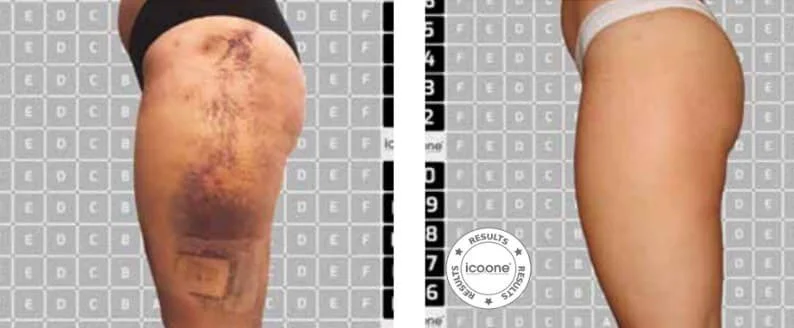
Post-surgical swelling is a natural biological response — not a complication.
When tissue is incised, manipulated, or disrupted, the body initiates an inflammatory cascade designed to protect and repair.
This response includes:
Increased blood flow
Elevated vascular permeability
Fluid accumulation
Immune cell migration
While necessary for healing, prolonged congestion may delay aesthetic settling and increase discomfort.
Post-surgical lymphatic drainage supports the body’s ability to regulate this fluid efficiently.
The Biology of Post-Operative Swelling
Surgical trauma activates:
Histamine release
Cytokine signaling
Vasodilation
Fluid leakage into interstitial spaces
The lymphatic system must collect and transport excess fluid and debris.
If lymphatic vessels are overwhelmed or temporarily disrupted, swelling may persist longer than expected.
How Lymphatic Drainage Supports Recovery
With physician clearance, post-surgical lymphatic therapy may:
Encourage fluid movement toward functioning lymph nodes
Reduce tissue pressure
Improve comfort
Support immune efficiency
Enhance oxygen delivery
The technique is extremely gentle, using light directional strokes to avoid stressing healing tissue.
The Importance of Timing
Therapy should begin only when cleared by the surgeon.
We take care to avoid:
Disrupting delicate repair processes
Increased inflammation
Compromised healing
Timing is critical and must align with surgical guidance.
Fibrosis: Why Tissue Hardening Occurs
Fibrosis is the formation of excess collagen during healing. It can lead to:
Firm nodules
Uneven texture
Restricted tissue mobility
Fibrosis is not abnormal — it is part of healing — but excessive fibrosis may affect aesthetic smoothness.
Gentle lymphatic therapy may help support:
Collagen organization
Improved tissue pliability
Enhanced circulation to affected areas
Scar Remodeling and Tissue Mobility
Scar tissue differs from normal tissue:
Collagen fibers are denser
Alignment is less organized
Elasticity is reduced
Over time, appropriate therapy may support improved mobility and comfort around scars.
Circulation and Oxygen Delivery
Post-operative tissues require:
Oxygen
Nutrients
Waste removal
Improved microcirculation enhances these processes, supporting healing efficiency.
Nervous System and Recovery
Surgery places stress on the body. Lymphatic therapy may:
Reduce sympathetic overactivation
Encourage relaxation
Improve sleep quality
Support recovery perception
The nervous system influences inflammatory regulation.
What Post-Surgical Lymphatic Therapy Does NOT Do
It does not:
Replace surgeon care
Eliminate swelling entirely
Prevent all fibrosis
Accelerate healing beyond biological limits
It supports natural processes already underway.
Ideal Candidates
Post-surgical lymphatic support may benefit:
Liposuction patients
Tummy tuck patients
Breast surgery patients
Facial surgery clients
Any individual cleared by their physician
Recovery Support
Revive Skin and Body Center provides post-surgical lymphatic therapy and it is integrated with other post surgical healing services we offer for comprehensive support during healing.
Final Thoughts
Healing is dynamic and fluid-dependent.
Post-surgical lymphatic drainage does not force recovery — it assists the body’s innate ability to regulate swelling, organize tissue repair, and restore comfort.
When performed appropriately and under medical clearance, it can be a valuable component of a comprehensive recovery plan.
👉 Book a surgeon-approved post-surgical lymphatic consultation: 805-867-7298
Disclaimer: Post-surgical lymphatic therapy must be physician-cleared. It supports fluid regulation and comfort but does not replace medical aftercare. Individual outcomes vary.